


Release the hounds.
- farfromtheordinary
- Jan 11, 2025
- 2 min read
Some traditions have stood the test of time, such as enjoying a cup of tea, the Sunday roast dinner, and stag/hen parties. Others have rightly faded, like human sacrifice and forced marriages. Some traditions, like fox hunting, need to adapt to modern times. Fox hunting began in 1534 in the UK as a pest control method against foxes threatening livestock.
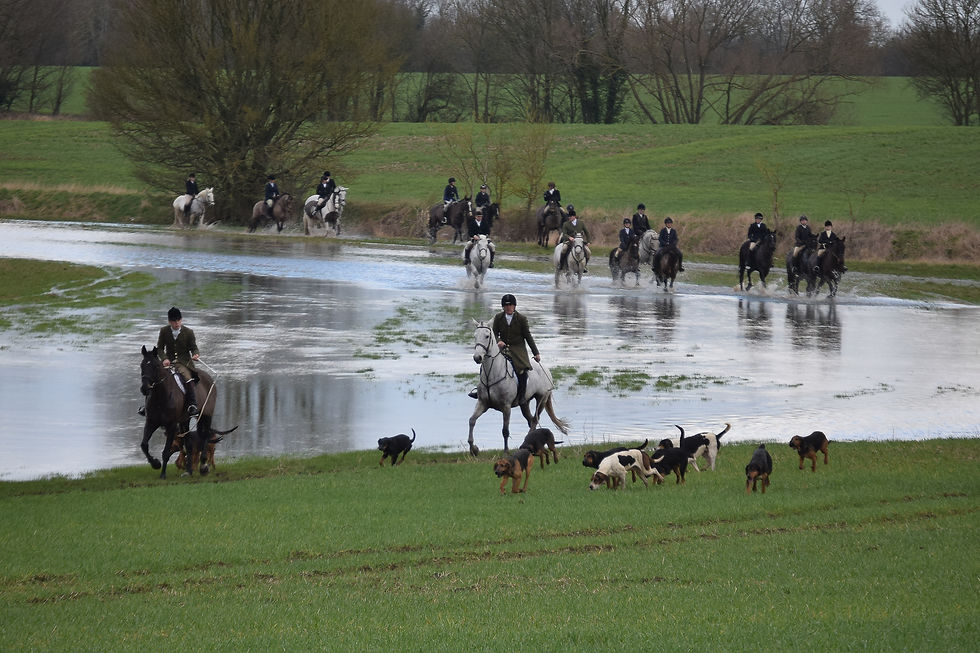
Initially, fox hounds tracked the foxes' scent while farmers followed on horseback. By the eighteenth century, declining deer populations led the nobility to adopt fox hunting as a hobby, transforming it into a sport. This sport saw significant financial investment, benefiting grooms, huntsmen, and landowners.

In 2004, the Labour Party passed the Hunting Bill, making it illegal to kill foxes with a pack of canines. Despite this, some groups continued through loopholes, using birds of prey or
shotguns. Most adapted to trail hunting, where a trail of fox urine is laid out, usually without mishap. However, occasionally hounds picked up actual fox scents, leading to fatal outcomes and legal breaches, as highlighted by Hunt Saboteurs.

An innovative approach is seen with The Langley Farm Bloodhounds, who use bloodhounds to track humans instead of foxes. Bloodhounds, known for their exceptional tracking ability since Victorian times, follow the scent of a human runner. This removes the risk of encountering real foxes. The human quarry gets a head start, and the riders follow a pre-determined route with various challenges, including jumps, ditches, and low-hanging branches. Alternative routes are available for less experienced riders. After several miles, the bloodhounds catch the runner, who is rewarded with treats, then the hunt continues. This method not only ensures the safety of wildlife but also provides a rigorous physical challenge for both hounds and riders.
The Hunt Saboteurs Association (HSA) opposes exploiting animals for entertainment and
focuses on preventing "trail hunting" from masking illegal hunting. They acknowledge that bloodhound packs focusing on human scents prioritise the ride over the kill. Trail hunting, often a cover for illegal fox hunting, risks leading hounds to live quarry. The HSA's efforts have brought significant attention to the nuances of modern hunting practices, pushing for more humane and legally compliant methods.

The priority of these adapted hunts is safety and enjoyment for all participants. Riders aim for a great ride, ensuring they and their horses return safely. The hounds are well cared for during hunts, training, and retirement, often finding homes on working farms. This tradition supports numerous ancillary businesses, from vets to feed companies, building a community of like-minded individuals. Local economies benefit from the activities associated with the hunt, creating jobs, and fostering economic growth in rural areas.

Without such hunts, bloodhound demand would decrease, risking the breed's endangerment. These hunts provide excellent exercise, camaraderie, and strengthen the bond between horse and rider, allowing them to navigate challenging terrains typically off-limits to equestrians. The continuation of these hunts also preserves a significant aspect of rural heritage, maintaining a connection to the past while evolving to fit contemporary ethical standards. By adapting old traditions to modern values, communities can enjoy the best of both worlds: the thrill of the hunt and the satisfaction of ethical practices.


Comments